As the global peptide drug market approaches the $100 billion scale, complex and long-chain peptides, exemplified by GLP-1 therapies, have emerged as a dominant force in the market. However, their escalating structural complexity is pushing conventional manufacturing technologies to their limits, while process development remains heavily dependent on scientists' expertise and repeated trial and error. Overcoming these process bottlenecks, boosting development efficiency, and ensuring delivery certainty have become universal challenges across the industry.
The breakthrough begins here. Leveraging our extensive expertise in long-chain and complex modified peptides, we are dedicated to providing end-to-end solutions for peptide therapeutics, spanning the full journey from drug discovery to commercial GMP manufacturing. By seamlessly integrating AI technologies with hybrid SPPS/LPPS strategies, we are building a more predictable, digitized framework for the industry, accelerating peptide drug development.
Hybrid Approaches: Breaking Through the Challenges of the Ton-Scale Era
Historically, peptide therapeutics remained a niche segment due to their unique properties. Manufacturing demand was typically limited to gram- to kilogram-scale production, which conventional solid-phase peptide synthesis (SPPS) could adequately support. However, as the industry moves toward ton-scale manufacturing demand, conventional approaches are increasingly constrained by scale-up challenges, lengthy timelines, and high costs. By combining development efficiency with industrial scalability, hybrid SPPS/LPPS approaches have emerged as a key strategy for peptide commercialization.
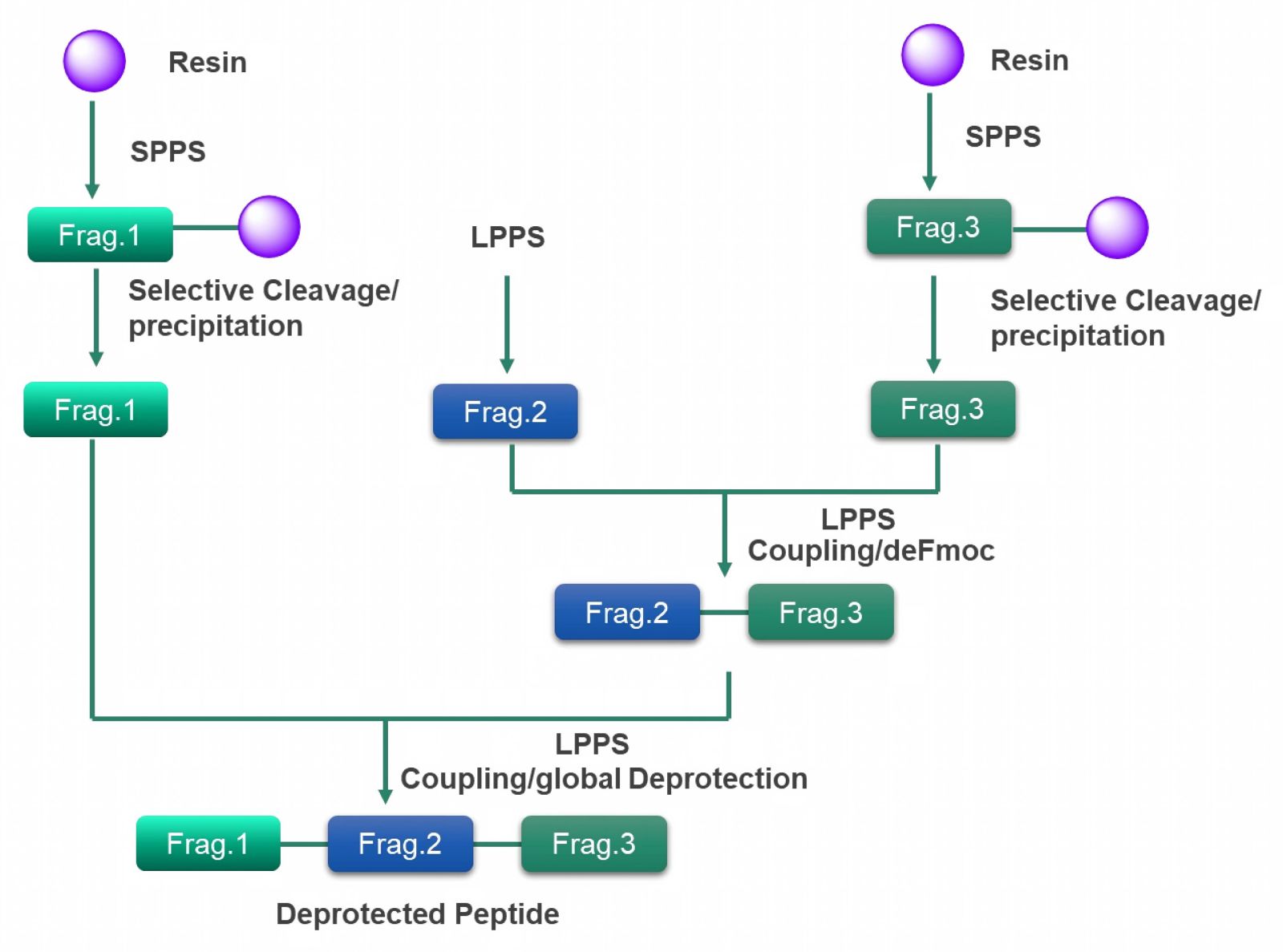
Hybrid SPPS/LPPS Depiction Using a Hypothetical Three-Fragment System
The transition from SPPS to hybrid SPPS/LPPS marks a fundamental shift in peptide manufacturing, with key differences that ultimately determine the success of industrial-scale production.
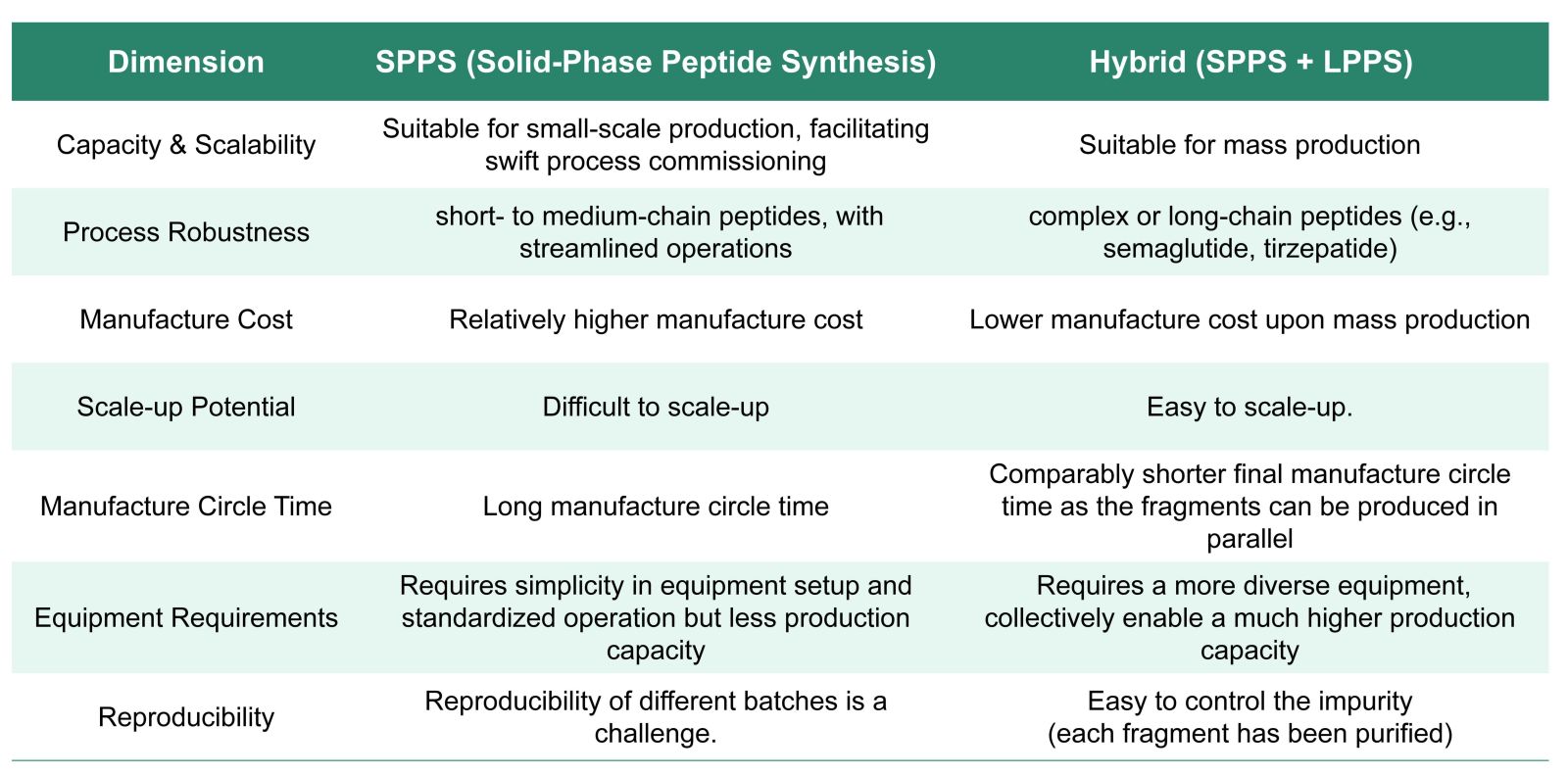
Comparison of SPPS/Hybrid Approaches
Therefore, the key to successful peptide industrialization lies not in simply expanding manufacturing capacity, but in establishing a robust process development framework that is predictable and well-controlled throughout the entire development lifecycle. As a key enabler of this shift, hybrid SPPS/LPPS approaches combine rational peptide fragment design with the complementary strengths of SPPS and LPPS techniques. By extending in-process control (IPC) to the fragment stage, these approaches enable early mitigation of impurity accumulation, significantly improve process robustness and scale-up success, and leverage the efficiency and cost advantages of LPPS. This solution provides a highly reliable pathway for the commercial-scale production of long-chain and complex modified peptides.
AI-Driven Transformation: From Experience-Driven Art to Data-Driven Science
For decades, hybrid process development has relied heavily on expert knowledge and empirical optimization. This trial-and-error paradigm is fundamentally driven by limited peptide process data and an incomplete understanding of the principles governing chemical reactions and process scale-up.
As a result, peptide CMC development faces two major challenges. First, synthesis route design still lacks quantitative predictability, with critical decisions such as fragment design, protecting group selection, and yield optimization still largely dependent on expert knowledge. Secondly, API process development and scale-up manufacturing remain highly uncertain, as even minor changes to critical process parameters (CPPs) during coupling, purification, and precipitation can significantly compromise process robustness and increase scale-up risks.
This is precisely where digitalization and AI can create transformative value. By converting fragmented chemical knowledge into reusable data assets, we are establishing a data-driven, end-to-end digital framework for peptide process development.
1. Fragment Strategy: MCTS-Driven Route Design
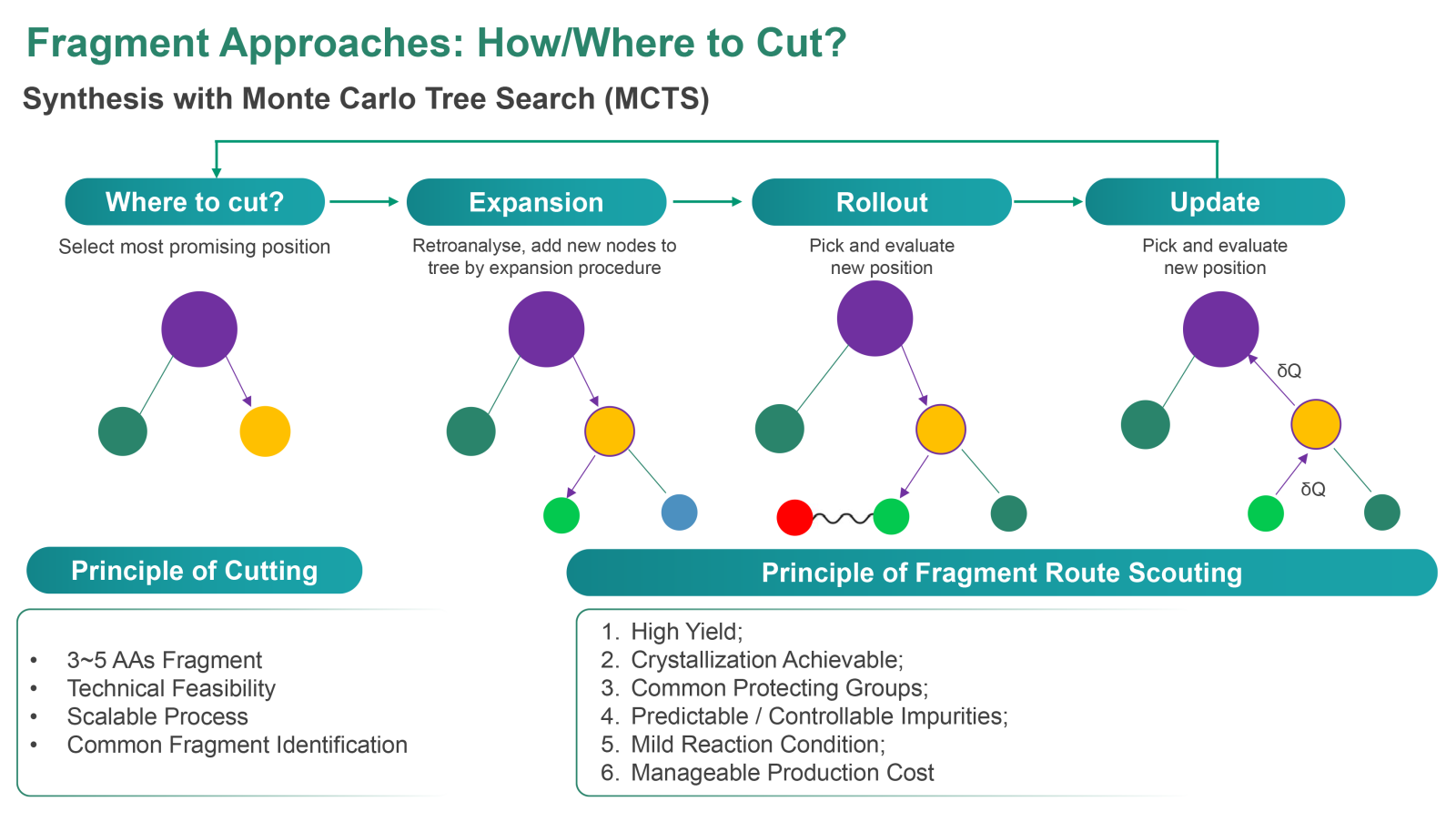
For the development of complex long-chain peptides, our platform leverages Monte Carlo Tree Search (MCTS) algorithms to provide intelligent decision support for fragment design and synthetic route planning.
During the fragment design stage, peptide sequences are preferentially divided into fragments containing 3–5 amino acids. AI algorithm is leveraged to screen large-scale peptide datasets, identify common peptide fragments, and enhance their reusability while ensuring process scalability. In parallel, mechanistic insights into impurity formation enable impurity risks to be mitigated at the source while tracking impurity propagation throughout the synthesis process.
Building on this foundation, we have developed a suite of AI predictive models to systematically evaluate key factors, including reaction yield, crystallization feasibility, protecting group strategies, and impurity controllability. By systematically evaluating these critical parameters, we transform what was historically an empirical process into a predictable and quantifiable approach to process design.
(1) Reaction Yield Prediction
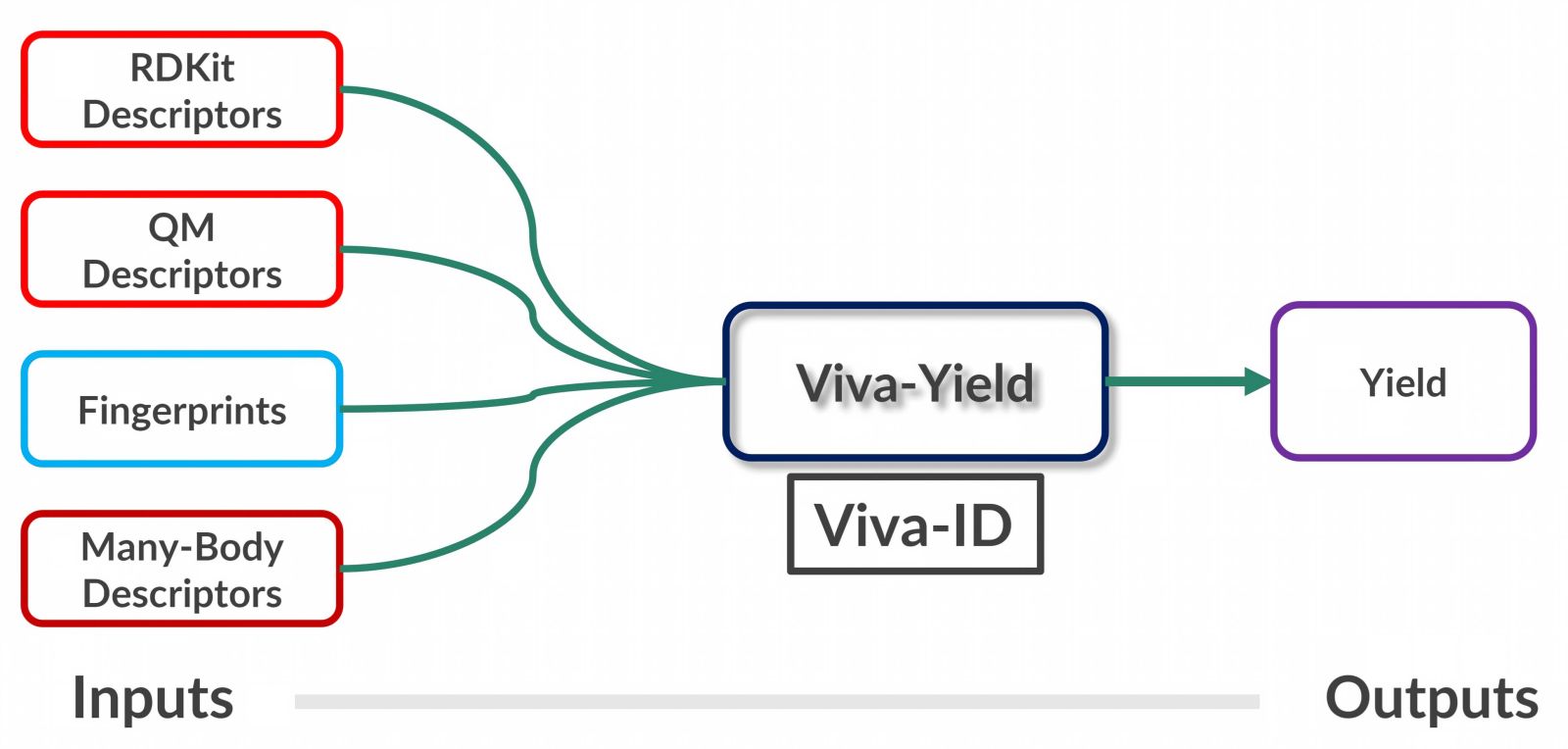
During the repetitive condensation and deprotection cycles of peptide chain elongation, our proprietary Viva-Yield model enables predictive estimation of reaction yields.
The model is built on a compact descriptor framework comprising approximately 200 key features, integrating RDKit descriptors, quantum mechanical (QM) descriptors, molecular fingerprints, and many-body descriptors. By providing data-driven guidance for reaction condition optimization and synthetic route design, Viva-Yield enhances both the efficiency and robustness of process development.
(2) Crystallization Feasibility Prediction
Characterized by high conformational flexibility and complex amphiphilicity, peptides present significant crystallization challenges, including amorphous precipitation, poor polymorph/hydrate control, and poor scale-up reproducibility.
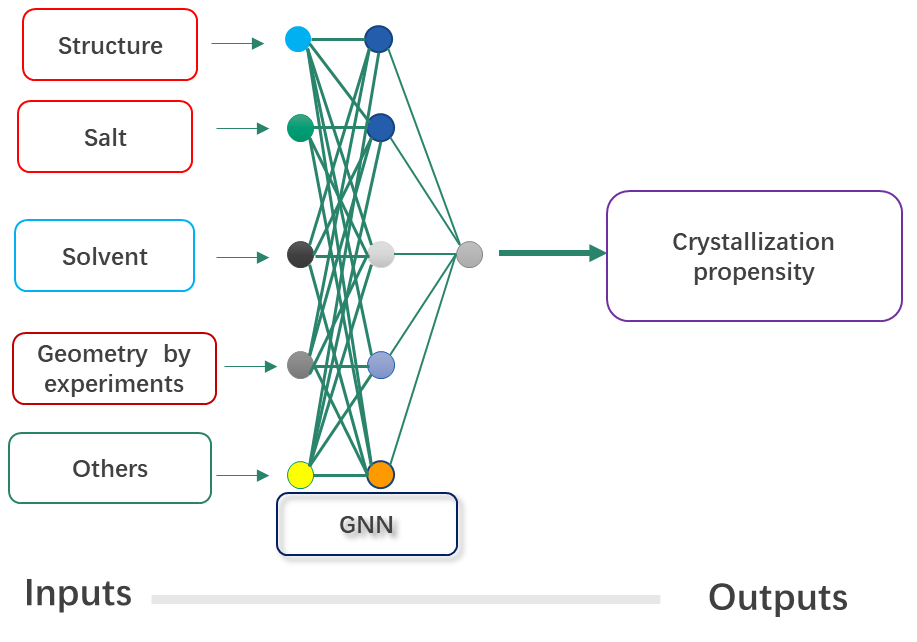
To address these challenges, we have developed a graph neural network (GNN)-based prediction model that integrates molecular structure, salt-form selection, solvent effects, and experimental conditions to predict peptide fragment crystallization propensity, providing data-driven guidance for polymorph screening and crystallization process development.
(3) Protecting Group Strategy Evaluation
To mitigate potential side reactions involving peptide side chains, our team performs in silico thermodynamic assessments prior to wet-lab experimentation. By integrating multiple thermodynamic descriptors, including decomposition energy, strain energy, bond dissociation energy, and pKa mismatch, this approach enables quantitative evaluation and ranking of protecting group strategies, providing a rational basis for orthogonal protection scheme selection.
(4) Impurity Controllability Assessment
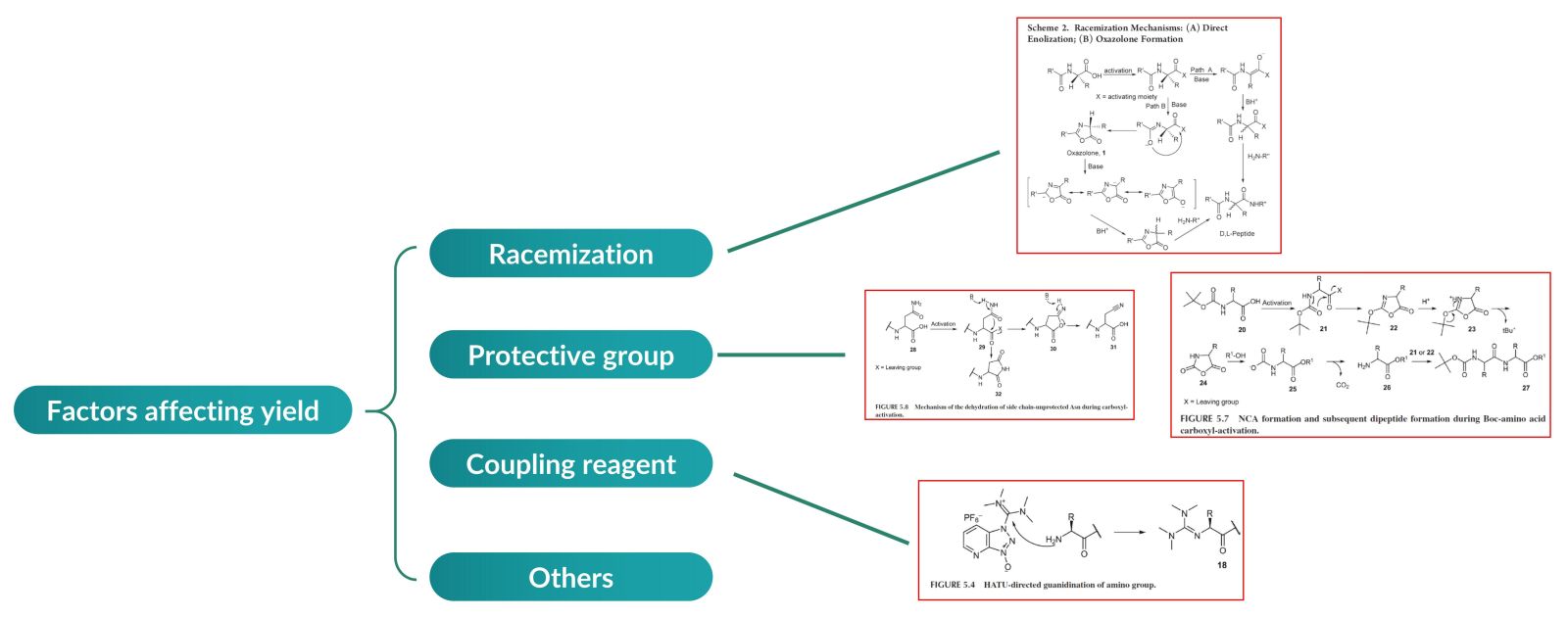
Our team integrates reaction mechanism analysis with risk scoring models for proactive impurity prediction. The algorithm identifies impurity risks arising from microscopic side reactions, including racemization, protecting group cleavage, and coupling reagent-induced reactions. In parallel, a natural amino acid risk scoring model (0–10 scale) is established to quantitatively evaluate impurity risks, such as racemization, dehydration, and insertion during amino acid activation. This approach shifts process development from post-process detection to proactive risk control.
2. API Approaches: Digital Model-Driven Synthesis and Purification
Following fragment route optimization, the efficient assembly of long-chain peptides and the achievement of high-purity isolation become the primary challenges in API development. Building upon the data foundation and algorithmic capabilities established during the fragment route design stage, our team extends AI into API process development. By focusing on the two critical process steps of fragment condensation and purification, we develop two proprietary AI models, Viva-FC and Viva-Purify, which form an end-to-end digital development framework spanning the entire API development workflow.
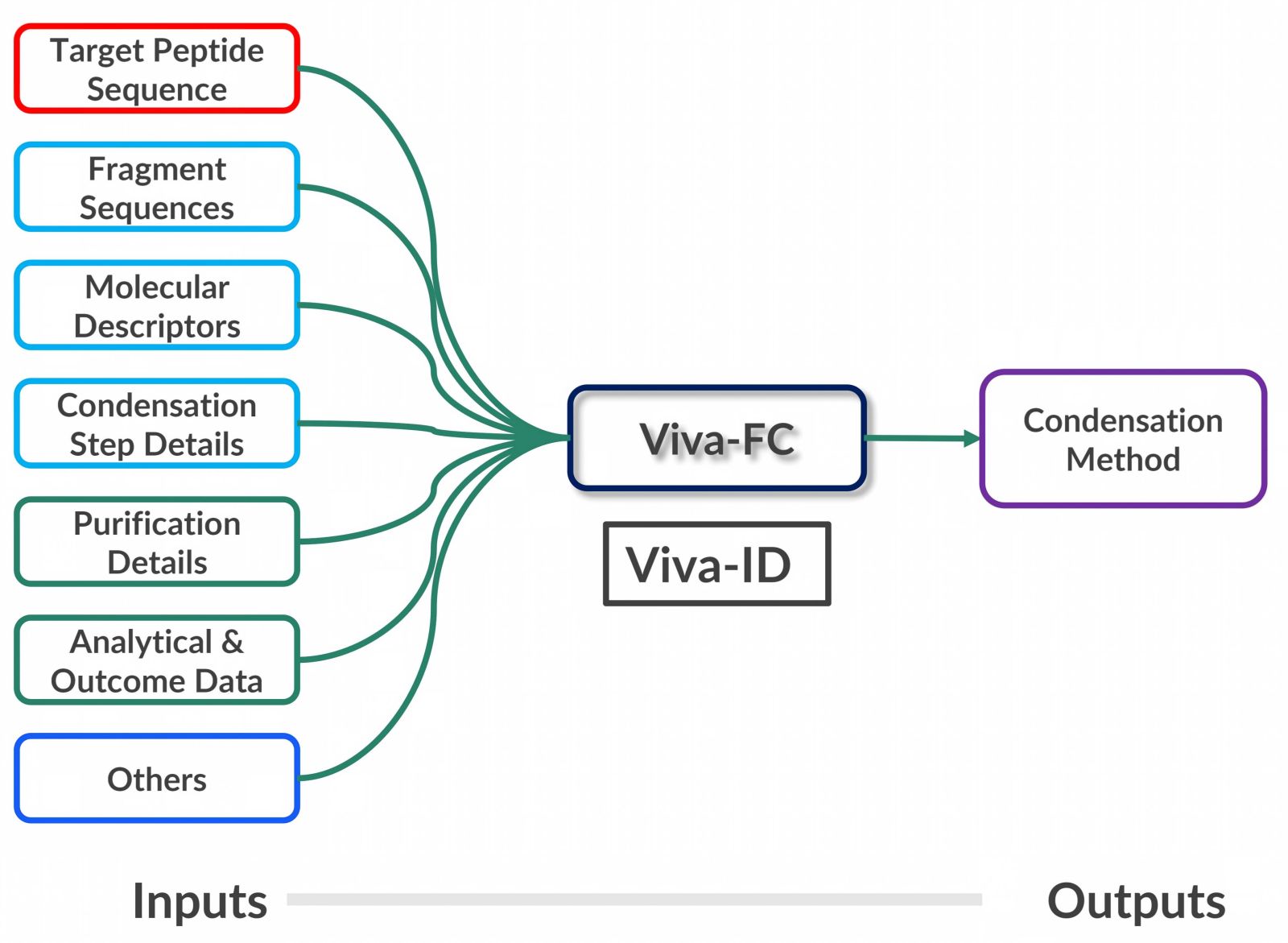
Fragment Condensation Optimization: To address challenges including high solvent consumption, epimerization at poorly reactive coupling sites, and the complexity of orthogonal protecting group strategies, the Viva-FC model integrates the target peptide sequence, molecular descriptors, and historical process data to identify the optimal fragment condensation strategy. By codifying accumulated process expertise into reusable algorithmic intelligence, the model significantly improves the Right-First-Time (RFT) rate in API process development.
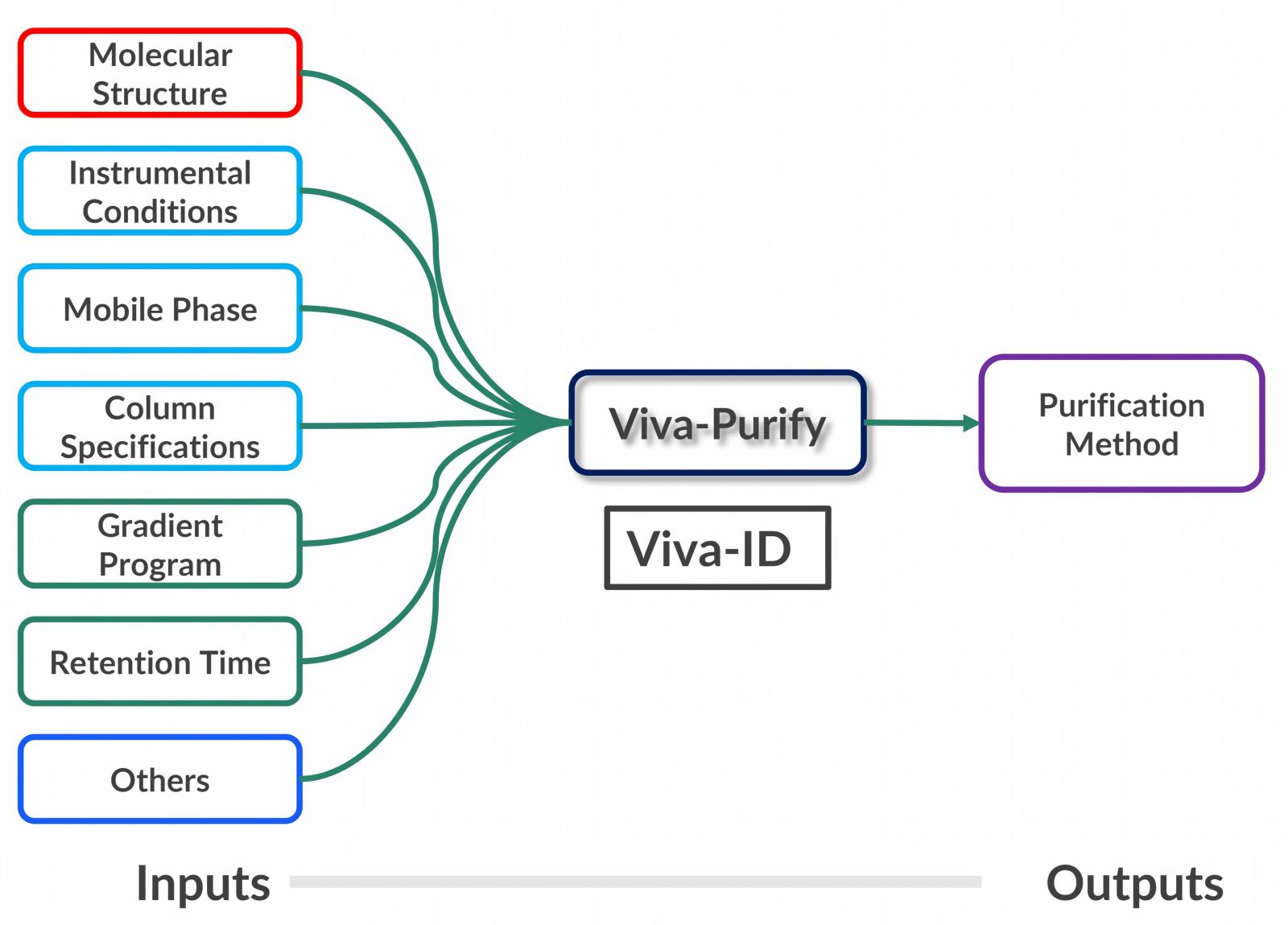
Purification Method Optimization: Traditional preparative HPLC method development relies heavily on operator expertise, making method optimization labor-intensive and time-consuming. Leveraging extensive historical purification data, the Viva-Purify AI model integrates molecular structures, mobile phase compositions, chromatographic column parameters, and gradient programs to establish predictive relationships between molecular structures and chromatographic separation behavior, identify optimal purification conditions, and continuously optimize purification processes. These capabilities help pharmaceutical companies significantly shorten development timelines while reducing manufacturing costs.
To date, our team has built a library of nearly 800 synthetic peptide fragments and over 50 cyclic peptide scaffolds. Powered by our multi-model AI framework, we have established an end-to-end digital platform spanning the entire peptide process development workflow, from route design and API development to process optimization. The platform enables precise identification of Critical Process Parameters (CPPs) and optimization of quality control strategies, helping pharmaceutical companies shorten development timelines by 30%-40%, reduce development costs, and improve process robustness, scale-up success rates, and batch-to-batch consistency. Together, these capabilities provide a more efficient, robust, and predictable foundation for the commercial manufacturing of high-purity peptides.
Integrated Peptide CRDMO Platform: Scaling from Quality to Speed
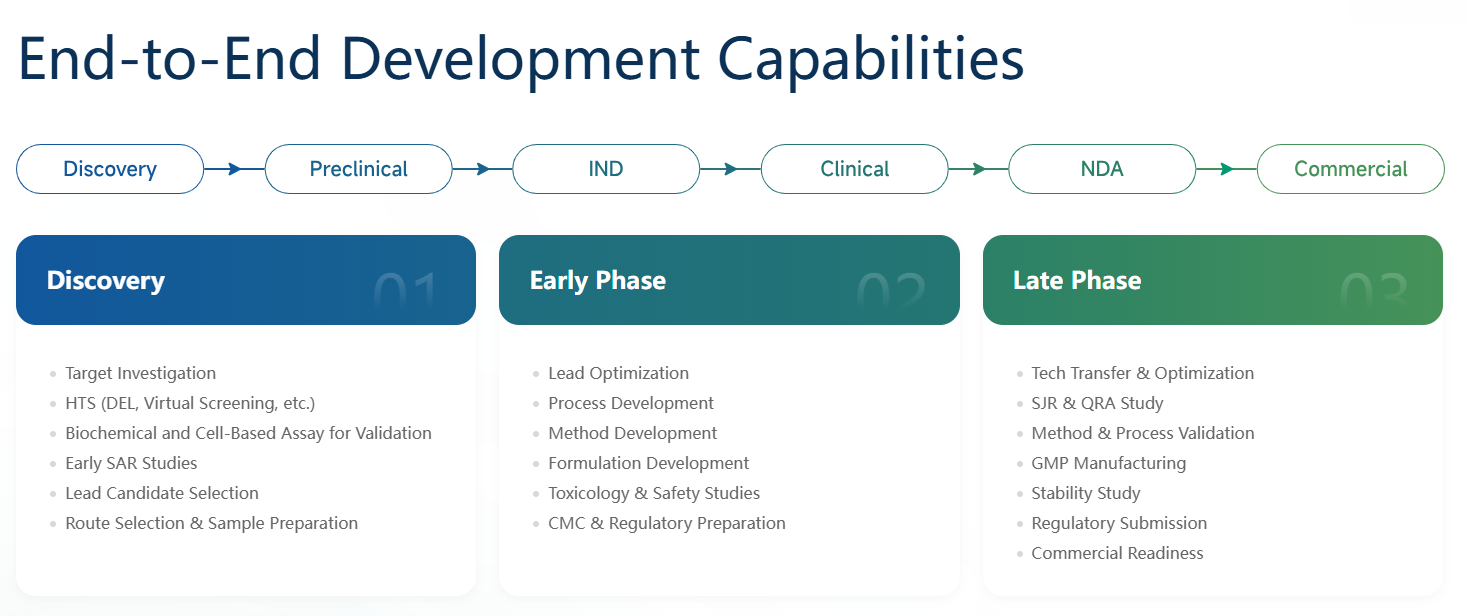
Leveraging Viva Biotech's expertise in peptide drug discovery and Langhua Pharmaceutical's established CDMO development and manufacturing capabilities, we have integrated discovery and industrialization capabilities to build an integrated peptide CRDMO platform covering the full journey from peptide discovery and CMC development to process scale-up.
During the discovery phase, our platform provides comprehensive services including peptide screening, optimization, synthesis, bioassays, DMPK, and pharmacology evaluation. As programs advance, our integrated process development, analytical, scale-up, and manufacturing capabilities support seamless progression from development to production. Meanwhile, Langhua Pharmaceutical is expanding peptide manufacturing capacity by upgrading three existing plants at the Linhai API manufacturing base in Zhejiang Province, providing scalable capacity for future commercial needs.
Through our integrated peptide CRDMO platform, drug discovery, CMC development, and process scale-up are seamlessly connected across the development lifecycle. By reducing technology transfer barriers and development risks, we enable high-quality delivery while accelerating development timelines. From ensuring quality to accelerating development, we are empowering the next generation of peptide therapeutics.
Explore our peptide CDMO services on our website: https://www.langhuapharma.com/en/solution/peptide-cdmo-service
For more information on our integrated peptide drug development solutions or to discuss your project with our experts, please contact us: info@vivabiotech.com